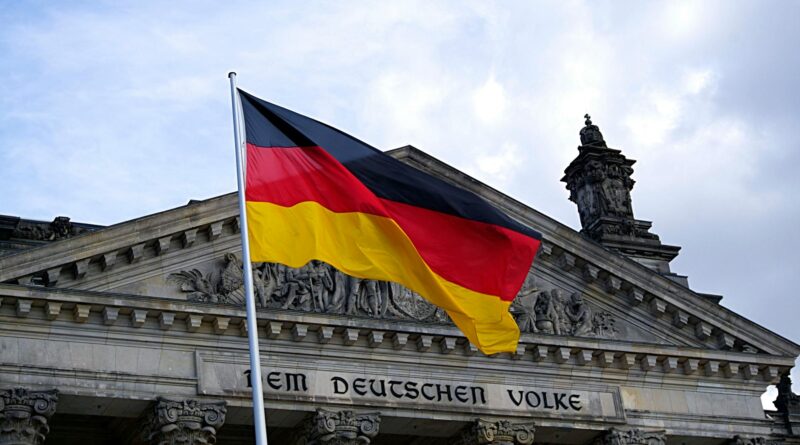
From Pacifism to Power: Germany’s Military Awakening
Walking through German cities, one cannot escape the weight of history. Rebuilt facades, war memorials, and quiet plaques bear silent witness to the devastation of two world wars and the shadows of earlier conflicts. These urban landscapes have preserved their historical essence in remarkable ways, blending scars of the past with the vibrancy of the present. German society mirrors this duality: the wounds of the 20th century linger beneath the surface, even as decades of welfare, economic prosperity, and deliberate restraint have shaped a deeply pacifist national identity.
Yet the current geopolitical landscape, which is marked by intensifying great-power rivalry, is pushing Germany toward a profound transformation. What happens when a nation long committed to military restraint is compelled by circumstance to redirect its strengths into the defense sphere?
In an era marked by shifting global alliances, the United States under President Donald Trump has embraced a more isolationist foreign policy, urging European nations to shoulder greater burdens for their own defense. This “America First” approach, outlined in recent national security strategies (by the way, it heralds a new world order where not only the US but also other great powers change their positions), critiques NATO allies for perceived weaknesses and encourages them to address trade imbalances while fostering internal resistance to certain policies. For Germany, Europe’s economic powerhouse, such pressures arrive at a pivotal moment. As Berlin grapples with these demands, it finds itself reassessing long-held pacifist inclinations, propelled by both external forces and internal imperatives. Yet this evolution raises profound questions: Can a militarily resurgent Germany enhance continental stability without evoking historical tensions (We know that Germany with strong economy and military always creates rivalry in the European region)?
Trump’s administration has made no secret of its expectations. By signaling reduced U.S. commitments in Europe, Washington effectively compels allies to invest more in security apparatuses. European countries, long reliant on American military umbrellas, now face the stark reality of self-reliance. Germany, with its GDP ranking among the world’s largest, senses a heightened responsibility in this vacuum. Chancellor Friedrich Merz’s government has responded by prioritizing defense, viewing it not merely as compliance but as a strategic necessity. Critics argue this shift risks straining transatlantic ties further, yet proponents see it as an opportunity for Europe to mature into a more autonomous actor. Regardless of this, Germany should take action, I consider, if not now, then near future.
Central to Germany’s adaptation is a dramatic uptick in military spending. The 2025 federal budget allocates over €86 billion to defense, incorporating special funds to reach approximately 2.4% of GDP, a figure set to climb toward 3.5% by 2029. This trajectory, projected to double expenditures to €152 billion annually within five years, marks a departure from decades of fiscal restraint imposed by post-World War II constraints. Lawmakers recently approved packages exceeding €50 billion for modernization, fueling investments in equipment and personnel. Such moves align with NATO targets but also reflect Berlin’s acknowledgment that economic might alone cannot safeguard interests amid rising threats.
History, however, casts a long shadow over these ambitions. A militarily potent Germany has repeatedly challenged the global order, from the imperial expansions of the late 19th century to the cataclysms of two world wars. In the early 20th century, Berlin’s rapid armament provoked rivalries with great powers, including Britain and France, culminating in conflicts that reshaped Europe. Post-1945, Allied occupation deliberately curtailed German forces to prevent recurrence, fostering a culture of restraint. Even the United States, once a guarantor of German demilitarization, now paradoxically encourages rearmament. This irony troubles observers: While a stronger Bundeswehr could deter aggression, it might unsettle neighbors wary of revived power imbalances. Balancing these lessons requires careful diplomacy to avoid alienating allies.
Compounding this dynamic is Russia’s full-scale invasion of Ukraine in 2022, a watershed that shattered illusions in German foreign policy. Prior to the aggression, Berlin pursued accommodation with Moscow through energy ties like Nord Stream, underestimating Kremlin ambitions. The war exposed vulnerabilities, prompting the “Zeitenwende”, a turning point announced by former Chancellor Olaf Scholz, shifting toward deterrence and robust support for Kyiv. Germany has since provided billions in aid, weapons, and refugee assistance, while advocating for accountability under international law. Yet prolonged conflict risks economic strain, with energy disruptions and escalation fears testing public resolve. For Berlin, Ukraine underscores the perils of dependency, reinforcing the case for enhanced capabilities.
Amid these pressures, Germany’s influence in Europe remains formidable, rooted in soft power and economic leverage rather than brute force. As the EU’s largest economy, it drives integration through trade, innovation, and cultural exports, consistently ranking high in global soft power indices. This “civilian power” model, which emphasizes persuasion over coercion, has rebuilt trust post-war, positioning Berlin as a mediator in crises. However, without complementary hard power, such influence may wane in an increasingly contested world. U.S. isolationism amplifies this need, potentially elevating Germany’s role in coordinating EU defense initiatives.
Looking ahead, projections suggest Germany could emerge as Europe’s preeminent military force by the early 2030s. Plans include expanding the Bundeswehr to over 200,000 troops, backed by €350 billion in investments through 2041 for advanced systems. Reforms like mandatory service assessments aim to bolster readiness, addressing current shortfalls where only half of forces are battle-ready. This buildup could stabilize the continent against threats like Russian revanchism, yet it invites scrutiny. Will a more assertive Germany foster unity or friction within the EU? Historical precedents caution against unchecked ambition, but today’s multilateral frameworks, both NATO and the EU, offer safeguards.
Ultimately, Germany’s stance reflects a pragmatic adaptation to uncertain times. U.S. isolationism, while disruptive, may catalyze a more resilient Europe. Berlin’s increased responsibilities could promote collective security, blending economic clout with measured military strength. Nevertheless, the path demands vigilance to prevent overreach, ensuring that lessons from the past inform a balanced future. As global dynamics evolve, Germany’s choices will shape not just its destiny, but Europe’s as well.
